Why Your Nails Keep Breaking — and What to Actually Do About It
If your nails break the moment they reach any length, you're not alone — and it's rarely just "bad luck" or genetics. After years of working with clients at my private nail studio in Spring, TX, I've seen the same root causes over and over again. The good news: most of them are fixable.
Here's what's actually causing your nails to break, and exactly what to do about it.
The Most Common Reasons Nails Break
1. Dehydration — the #1 culprit
Your nails are made of keratin, and like your skin and hair, they need moisture to stay flexible and strong. When nails are dehydrated, they become brittle and snap instead of bending under pressure.
Dehydration comes from:
- Frequent hand washing without moisturizing afterward
- Gel or acrylic removal without proper aftercare
- Acetone overuse
- Low water intake
- Dry climates or excessive air conditioning
2. Incorrect filing technique
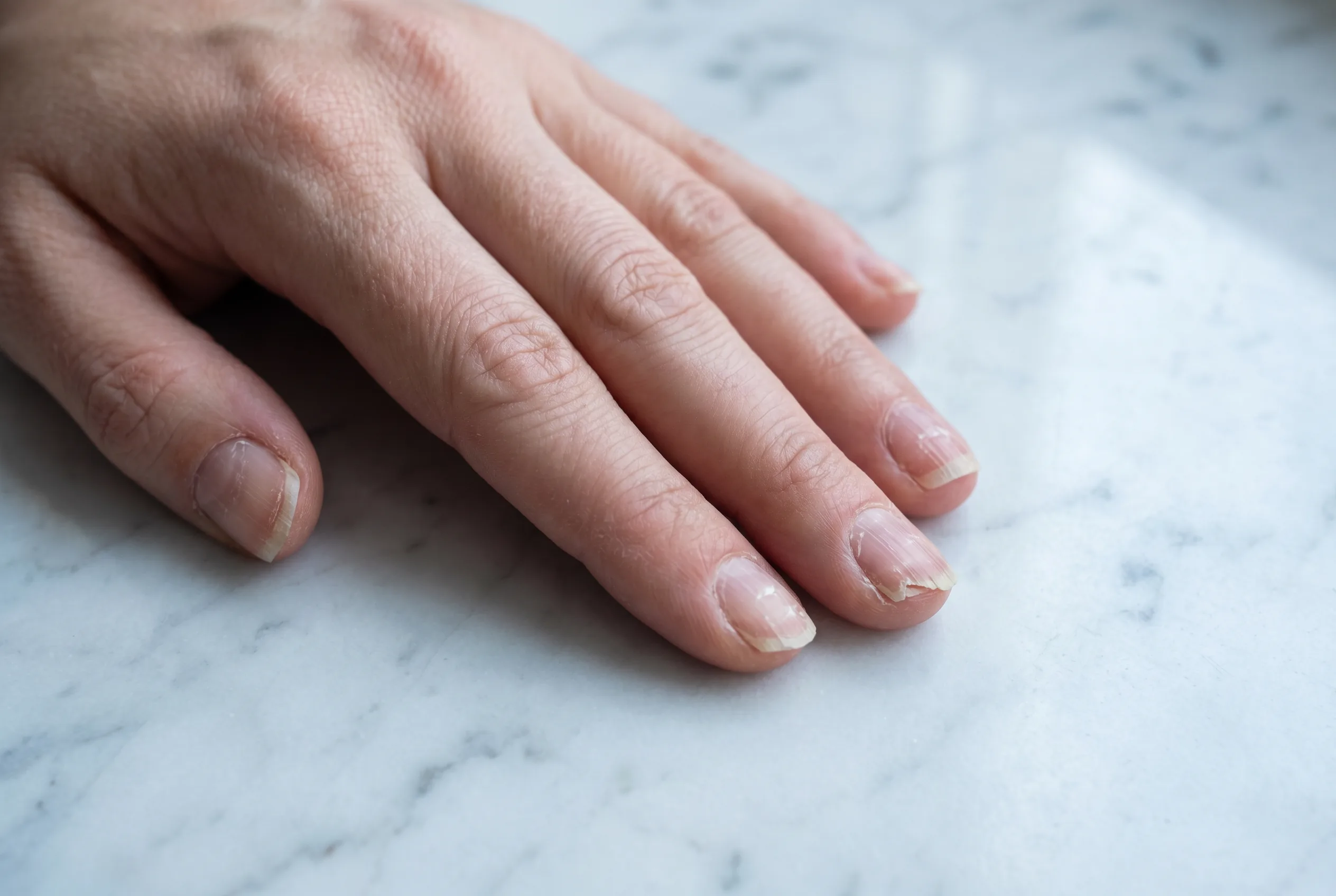
Sawing back and forth across the nail tip creates micro-tears in the keratin layers. Over time, these tears cause peeling, splitting, and breakage — especially at the sides of the nail.
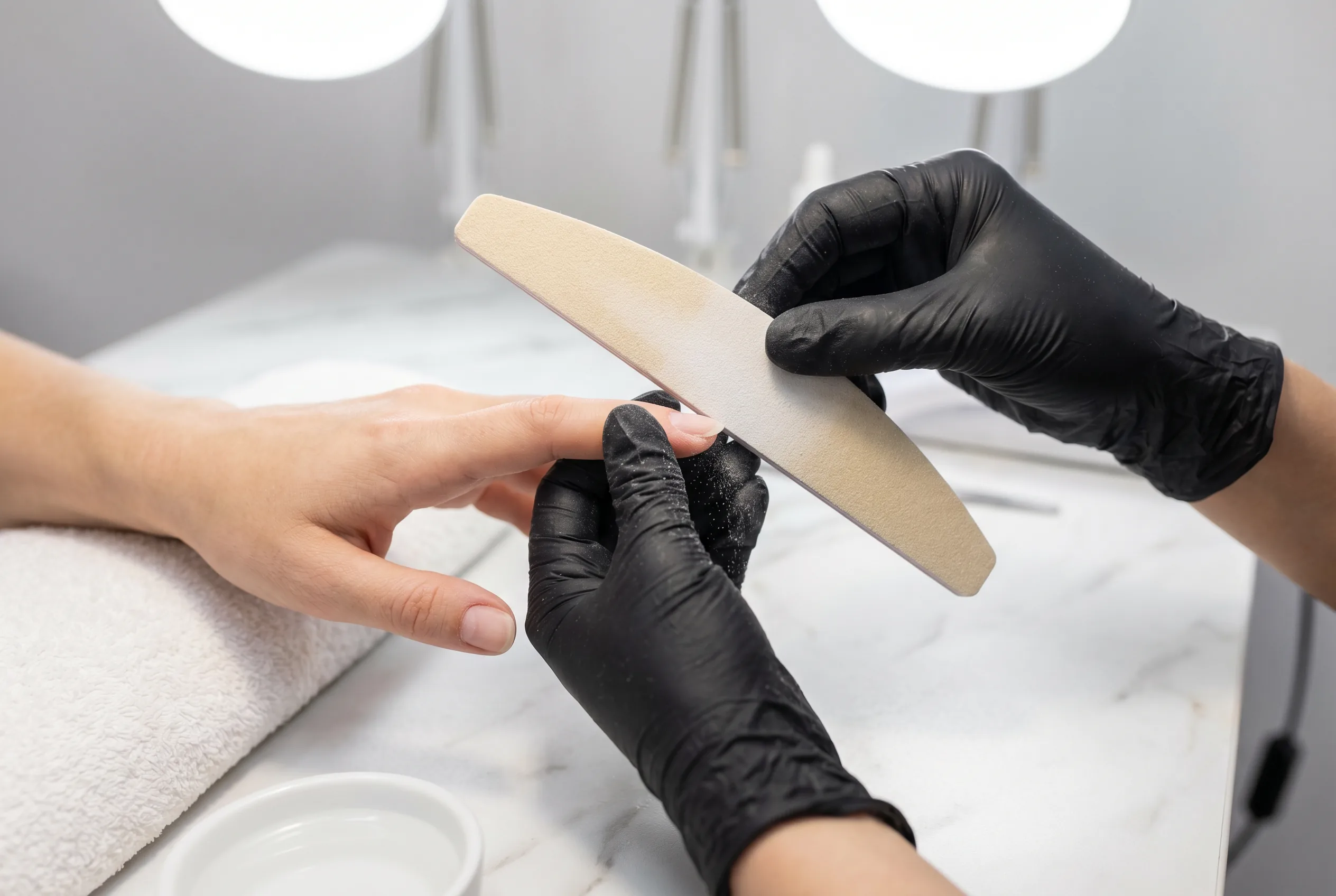
Always file in one direction, from the outer edge toward the center. Use a fine-grit file (180 or higher) rather than a coarse one.
3. Using nails as tools
Opening cans, peeling stickers, scraping labels, typing with the nail tip instead of the pad of your finger — all of these put lateral stress on the nail that it's not designed to handle. This is one of the most common causes of breakage I see, especially on the dominant hand.
4. Nutritional deficiencies
Nails reflect what's happening inside your body. Deficiencies in biotin, iron, zinc, and protein are all linked to weak, brittle nails. If your nails have always been thin and peel easily, it's worth looking at your diet and considering a blood panel.
5. Harsh chemicals without protection
Dish soap, cleaning products, and even some hand sanitizers strip the natural oils from your nails and skin. Prolonged exposure — especially without gloves — leads to chronic dryness and breakage.
What to Actually Do About It
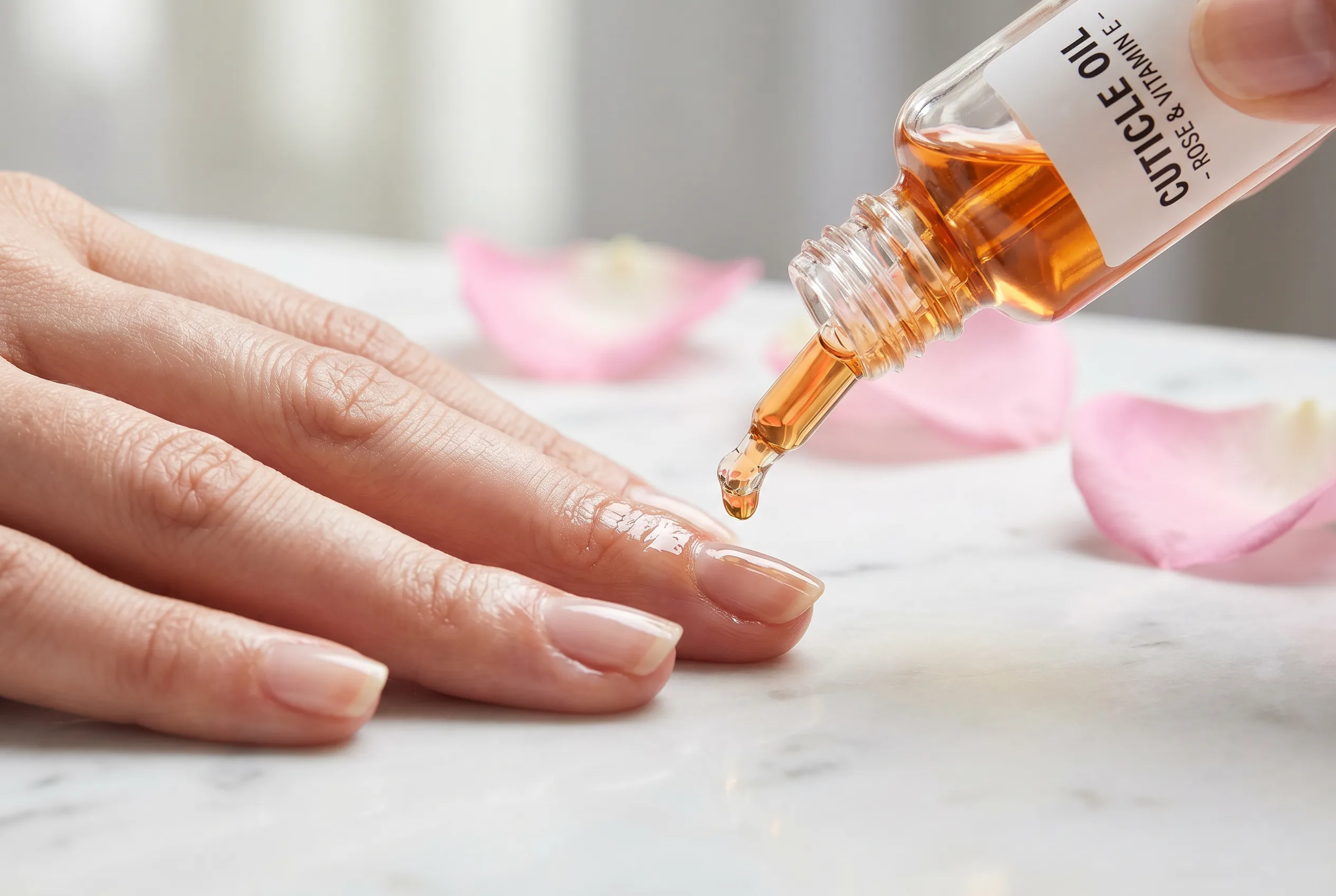
Cuticle oil, every single day. This is the single most impactful habit you can build. Apply cuticle oil morning and night, massaging it into the nail bed and cuticle. Look for oils with jojoba, vitamin E, or argan oil. It takes 30 seconds and makes a visible difference within 2–3 weeks.
Wear gloves for dishes and cleaning. Keep a pair of rubber gloves under the sink. This one habit protects your nails from the most common source of chemical damage.
Change how you file. Throw away any coarse files and switch to a glass or crystal nail file, which creates a smoother edge and causes less trauma to the nail tip.
Stop using your nails as tools. Use a pen cap, a coin, or your knuckle instead. It sounds small, but it makes a real difference — especially if you're prone to breaking one nail at a time.
Consider a Builder Gel overlay. If your nails are naturally thin and flexible, a Builder Gel overlay adds a layer of structure that protects the natural nail while it grows. It's not about length — it's about strength. Many of my clients with chronic breakage see a complete transformation after a few months of wearing Builder Gel overlays.
Check your nutrition. If you've tried everything and your nails are still breaking, talk to your doctor about checking your iron, ferritin, and biotin levels. Supplementing with biotin (2,500–5,000 mcg daily) can help, but it takes 3–6 months to see results since nails grow slowly.
When to See a Nail Tech
If your nails have always been weak, a professional assessment can help identify whether the issue is structural (thin nail plate), habitual (filing or product damage), or nutritional. At my studio in Spring, TX, I take time at every appointment to look at your nail health and make recommendations — not just apply product.
If you're dealing with persistent breakage and want a plan that actually works, book a consultation and we'll figure it out together.
Share this post
Related Articles
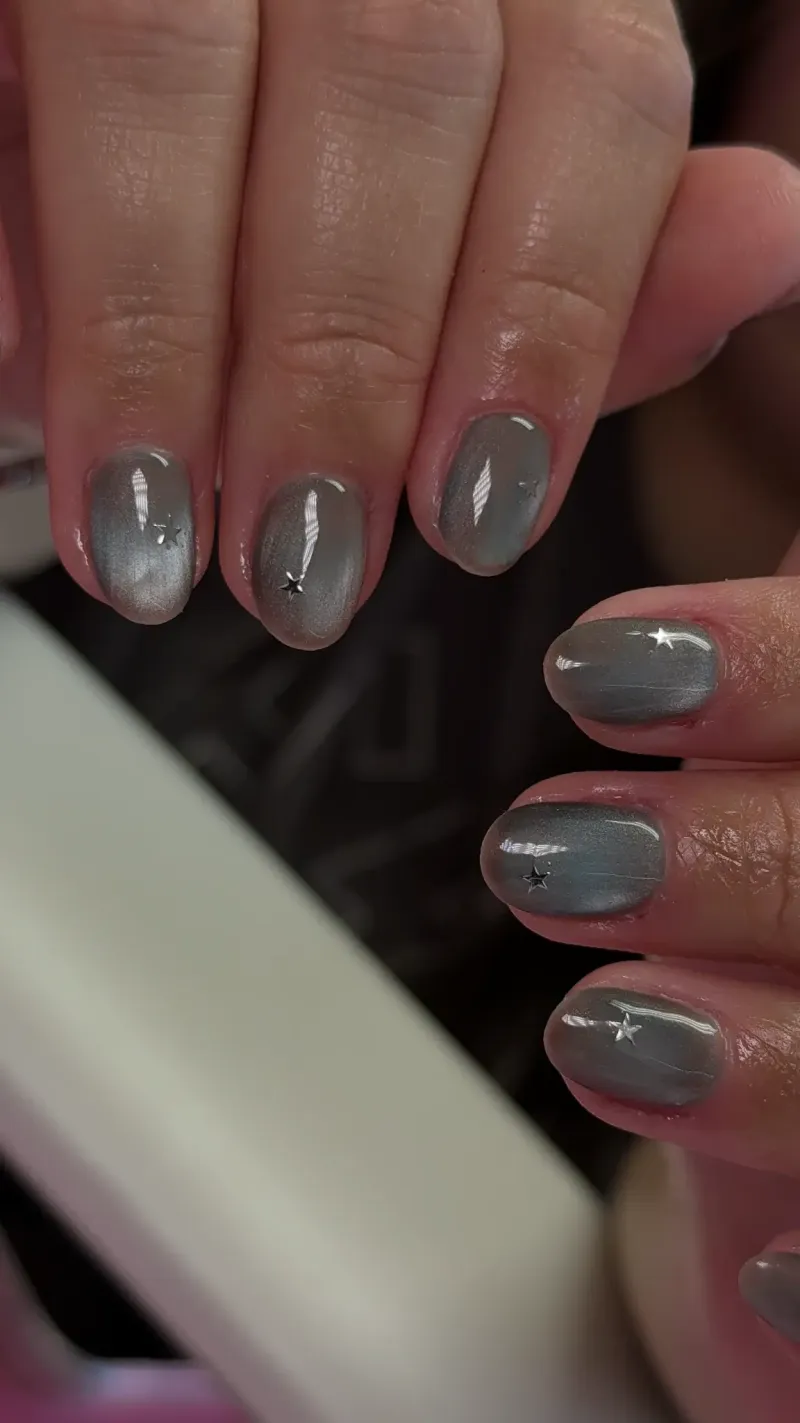
Essential Nail Care Tips for Healthy Strong Nails
Want stronger, healthier natural nails? Learn the daily habits, products, and professional treatments that will transform weak, brittle nails into strong, beautiful ones.
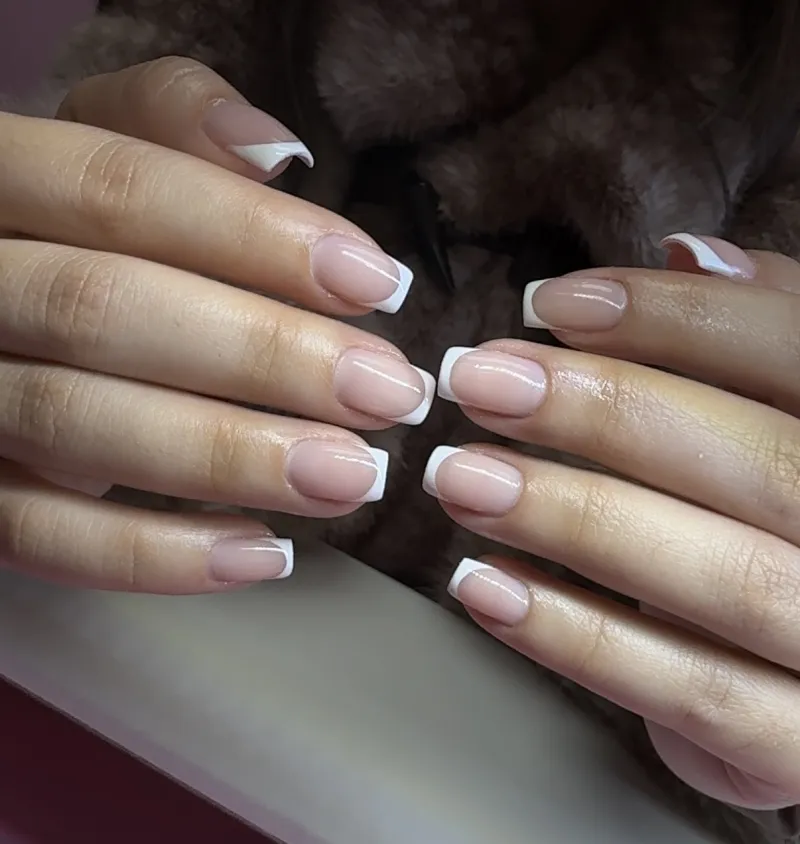
Will Gel X Damage My Nails? The Truth | Spring TX
Worried about nail damage from Gel X extensions? Learn the truth about how Gel X affects your natural nails, what actually causes damage, and how to keep your nails healthy with extensions.

Nail Health 101: Keep Your Nails Healthy | Woodlands
Learn expert tips for maintaining healthy, strong nails from Polished by Kim's nail specialists in Spring, TX.