Health Benefits of Regular Pedicures | Spring TX

When most people think about pedicures, they picture pretty polish colors and smooth feet. While those are certainly benefits, professional pedicures offer much more than aesthetic improvements. As someone who provides spa pedicures at my private studio in Spring, TX, I see firsthand how regular foot care impacts overall health and wellbeing.
Let me share the often-overlooked health benefits of regular pedicures and why professional foot care should be part of your self-care routine.
Beyond Beauty: The Health Benefits of Pedicures
Professional pedicures provide numerous health benefits that go far beyond making your toes look pretty.
Improved Circulation
The massage component of a professional pedicure stimulates blood flow to your feet and lower legs. This improved circulation delivers more oxygen and nutrients to your tissues while helping remove waste products.
Benefits of improved circulation include:
- Reduced swelling in feet and ankles
- Faster healing of minor cuts and abrasions
- Reduced muscle tension and soreness
- Better temperature regulation in your feet
- Potential reduction in varicose vein symptoms
For people who sit or stand for long periods, regular foot massage during pedicures can significantly improve lower leg circulation and reduce discomfort.
Early Detection of Foot Problems
During a professional pedicure, I carefully examine your feet and can identify potential problems early, including:
Fungal infections in nails or between toes that need treatment before they spread
Corns and calluses that may indicate improper footwear or gait issues
Ingrown toenails in early stages when they're easier to treat
Bunions or hammertoes that may benefit from orthotic intervention
Skin changes like discoloration, unusual moles, or texture changes that should be evaluated by a doctor
Circulation issues indicated by color changes, temperature differences, or slow-healing areas
Early detection allows for prompt treatment, preventing minor issues from becoming serious problems.
Prevention of Nail and Foot Infections
Professional pedicures help prevent infections through proper hygiene and nail care:
Proper nail trimming prevents ingrown toenails, which can become infected and painful
Cuticle care maintains the protective seal around your nails without causing damage that invites infection
Removal of dead skin eliminates environments where bacteria and fungi thrive
Professional sanitation ensures tools are properly sterilized, reducing infection risk
Moisturizing treatments keep skin intact and healthy, preventing cracks where bacteria can enter
Exfoliation and Skin Health
The exfoliation process during pedicures removes dead skin cells and promotes healthy skin turnover:
Prevents callus buildup that can crack and become painful or infected
Smooths rough patches that can catch on socks and cause irritation
Improves skin texture and appearance on feet and lower legs
Allows moisturizers to penetrate more effectively into living skin layers
Stimulates cell renewal for healthier, more resilient skin
Stress Reduction and Mental Health Benefits
The relaxation component of pedicures provides genuine mental health benefits:
Reduces stress hormones through the calming environment and massage
Provides mindfulness opportunity to disconnect from daily pressures and focus on self-care
Improves mood through the release of endorphins during massage
Enhances self-esteem by improving your appearance and showing yourself care
Creates routine self-care that prioritizes your wellbeing
In our fast-paced world, the forced relaxation of a pedicure appointment can be incredibly valuable for mental health.
Joint and Muscle Health
The massage and manipulation during pedicures benefit your joints and muscles:
Reduces tension in feet, ankles, and lower legs
Improves flexibility in foot and ankle joints
Relieves pain from conditions like plantar fasciitis or general foot fatigue
Prevents stiffness especially important as we age
Promotes better range of motion in foot and ankle joints
Why Professional Pedicures Are Better Than DIY
While at-home foot care is important between appointments, professional pedicures offer advantages you can't replicate at home.
Proper Tools and Technique
Professional nail technicians have specialized tools and training to:
- Trim nails correctly to prevent ingrown toenails
- Remove calluses safely without damaging healthy skin
- Care for cuticles without causing injury or infection
- Identify and address problem areas appropriately
- Apply products that provide maximum benefit
Sanitation and Safety
Professional studios follow strict sanitation protocols:
- Tools are properly sterilized between clients
- Single-use items are never reused
- Work surfaces are disinfected thoroughly
- Products are applied hygienically
- Infection control standards are maintained
At my private studio, you can watch me open sterilized tool packets at the start of your appointment, ensuring complete peace of mind.
Complete Relaxation
During a professional pedicure, you can fully relax without worrying about:
- Reaching awkward positions to access your feet
- Cleaning up afterward
- Having the right products and tools
- Doing a thorough job on both feet
The experience itself is part of the benefit—true relaxation and pampering that's difficult to achieve at home.
Professional Assessment
A trained nail technician can identify issues you might miss and provide recommendations for:
- Footwear improvements
- At-home care routines
- Products that address your specific concerns
- When to seek medical attention for foot problems
How Often Should You Get a Pedicure?
The ideal frequency depends on several factors:
For Most People: Every 3-4 Weeks
This schedule maintains foot health and appearance without being excessive. Your toenails grow more slowly than fingernails, so monthly pedicures typically provide adequate maintenance.
More Frequently (Every 2-3 Weeks) If You:
- Have very dry feet that need regular professional moisturizing
- Develop calluses quickly due to activity level or footwear
- Have circulation issues that benefit from regular massage
- Simply enjoy the relaxation and want more frequent self-care
Less Frequently (Every 5-6 Weeks) If You:
- Have slow nail growth
- Maintain excellent at-home foot care
- Have minimal callus formation
- Prefer less frequent professional services
Seasonal Considerations
Many clients increase pedicure frequency during sandal season (spring and summer) when their feet are visible and exposed to more environmental stress.
During winter months, some reduce frequency but I actually recommend maintaining regular pedicures year-round. Closed-toe shoes and dry winter air can cause significant foot problems that regular professional care prevents.
What to Expect During a Spa Pedicure
Understanding the process helps you appreciate the health benefits of each step.
Foot Soak (5-10 minutes)
Warm water softens skin and nails while providing initial relaxation. The soak may include Epsom salts, essential oils, or other beneficial additives.
Health benefits: Softens calluses for easier removal, relaxes muscles, improves circulation
Nail Care (10-15 minutes)
Trimming, shaping, and cuticle care ensure healthy nail growth and prevent problems.
Health benefits: Prevents ingrown toenails, maintains protective cuticle seal, identifies nail issues early
Exfoliation (10-15 minutes)
Sugar scrubs or other exfoliants remove dead skin and smooth rough patches.
Health benefits: Prevents callus cracking, improves skin health, enhances moisturizer absorption
Callus Removal (5-10 minutes)
Professional tools safely remove excessive callus buildup without damaging healthy skin.
Health benefits: Prevents painful cracks, reduces pressure points, improves foot comfort
Massage (10-15 minutes)
Therapeutic massage of feet, ankles, and lower legs using moisturizing products.
Health benefits: Improves circulation, reduces tension, promotes relaxation, relieves pain
Moisturizing Treatment (5-10 minutes)
Deep conditioning treatments like paraffin wax or collagen socks provide intensive hydration.
Health benefits: Prevents dry, cracked skin, maintains skin barrier integrity, improves skin elasticity
Polish Application (10-15 minutes)
Your choice of classic polish or gel polish in any color.
Health benefits: Protects nails from damage, provides early warning of nail changes (when you remove polish)
Special Considerations for Different Needs
Certain conditions benefit particularly from regular professional pedicures.
For People with Diabetes
Diabetics face increased foot care challenges due to reduced circulation and sensation. Professional pedicures provide:
- Regular foot inspection for problems you might not feel
- Safe nail and callus care without risk of injury
- Improved circulation through massage
- Early identification of issues that need medical attention
Important: Always inform your nail technician if you have diabetes so they can provide appropriate care and avoid techniques that might cause problems.
For Athletes and Active Individuals
High activity levels create specific foot care needs:
- More frequent callus formation requiring professional removal
- Increased risk of nail damage from repetitive impact
- Greater need for circulation-boosting massage
- Higher likelihood of fungal infections from sweaty shoes
Regular pedicures help athletes maintain foot health despite the stress of training and competition.
For Aging Adults
As we age, foot care becomes more challenging and more important:
- Reduced flexibility makes reaching feet difficult
- Thicker nails require professional tools for safe trimming
- Circulation issues benefit from regular massage
- Early problem detection becomes increasingly important
Professional pedicures ensure proper foot care when self-care becomes difficult.
During Pregnancy
Pregnant women face unique foot care challenges:
- Swelling in feet and ankles
- Difficulty reaching feet as pregnancy progresses
- Increased circulation needs
- Higher stress levels that benefit from relaxation
Pedicures provide both practical foot care and valuable stress relief during pregnancy. The foot massage can be particularly beneficial for reducing swelling.
At-Home Foot Care Between Pedicures
Professional pedicures should be supplemented with good at-home care:
Moisturize daily with a rich foot cream, especially before bed
Wear appropriate footwear that fits properly and provides adequate support
Keep feet clean and dry to prevent fungal infections
Inspect your feet regularly for any changes or problems
Wear socks with closed-toe shoes to prevent moisture buildup
Change socks daily and allow shoes to dry completely between wears
The Bottom Line
Professional pedicures are far more than a cosmetic luxury—they're an important component of overall health and wellness. The circulation benefits, early problem detection, infection prevention, and stress reduction make regular pedicures a worthwhile investment in your health.
Whether you're motivated by the health benefits, the relaxation, or simply wanting beautiful feet, professional pedicures deliver value that extends far beyond the appointment itself.
Ready to experience the health and relaxation benefits of a professional spa pedicure? Book your appointment at my private studio in Spring, TX, and discover why regular foot care is essential self-care.
Share this post
Related Articles
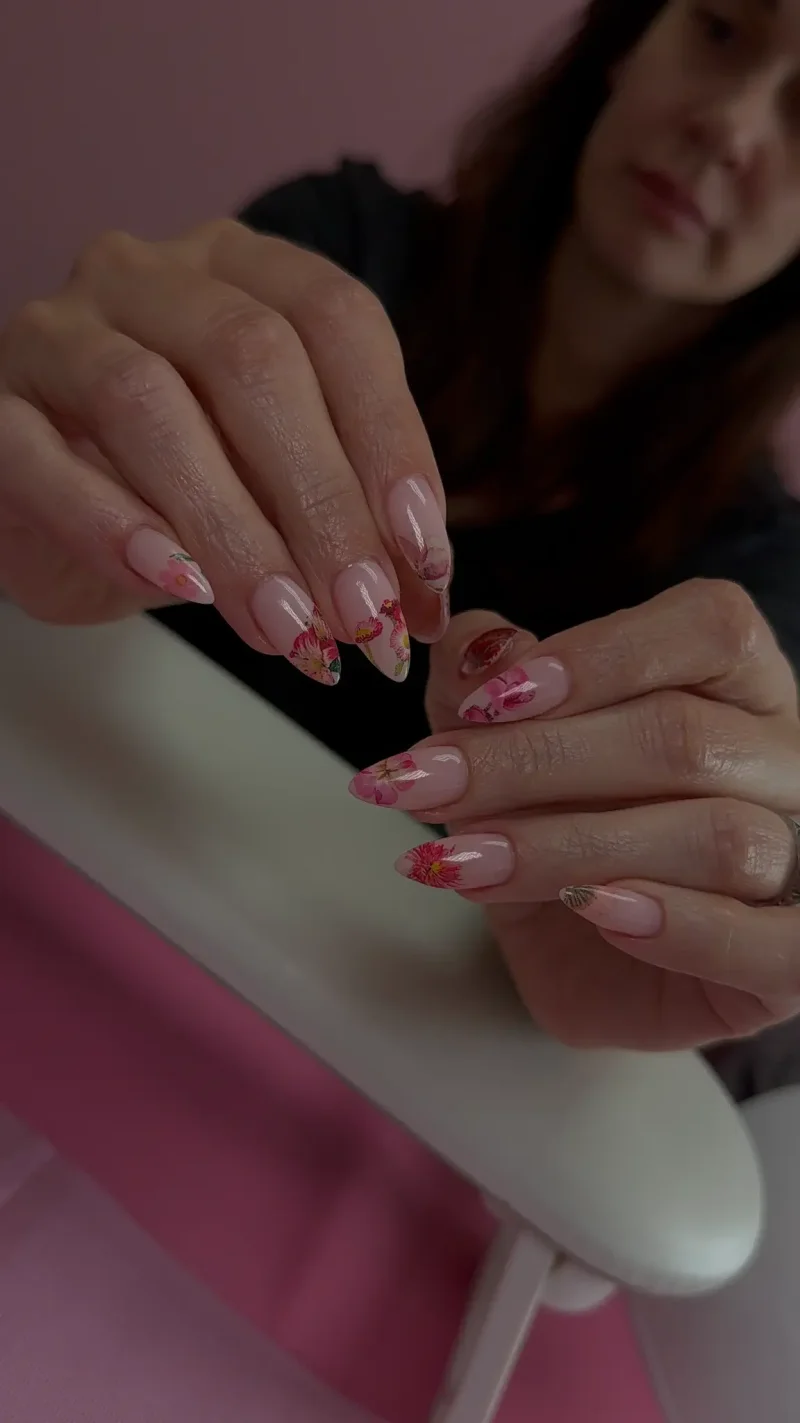
8 Stunning Nail Designs: A Deep Dive into Color, Shape, and Style
Explore eight beautiful nail designs from my Spring TX studio—from romantic floral art to classic French tips. Learn about the colors, shapes, and techniques that make each style unique.
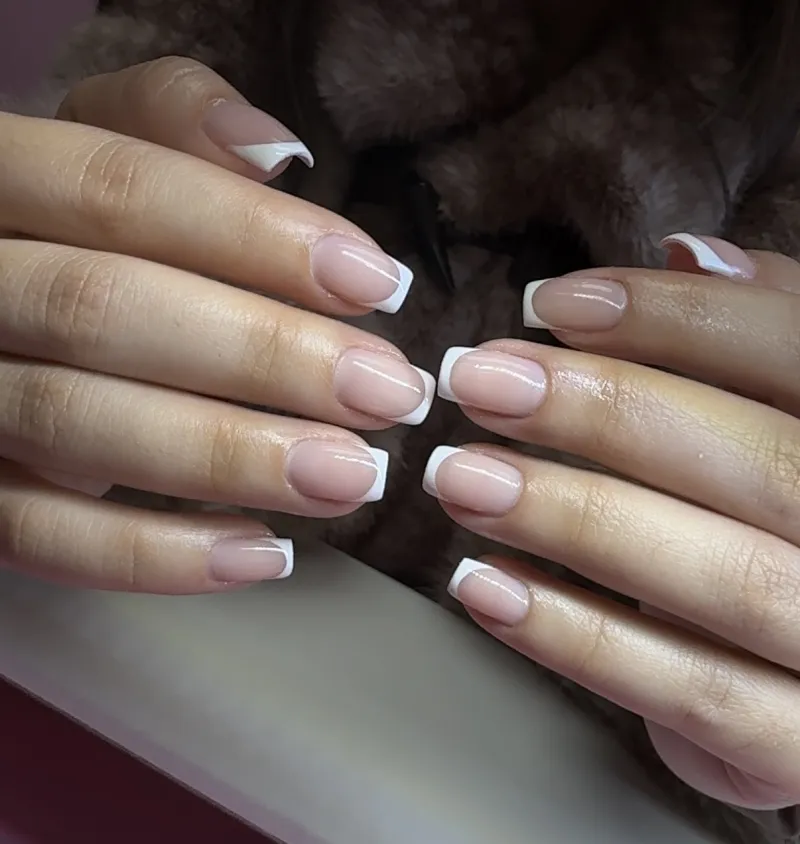
Will Gel X Damage My Nails? The Truth | Spring TX
Worried about nail damage from Gel X extensions? Learn the truth about how Gel X affects your natural nails, what actually causes damage, and how to keep your nails healthy with extensions.
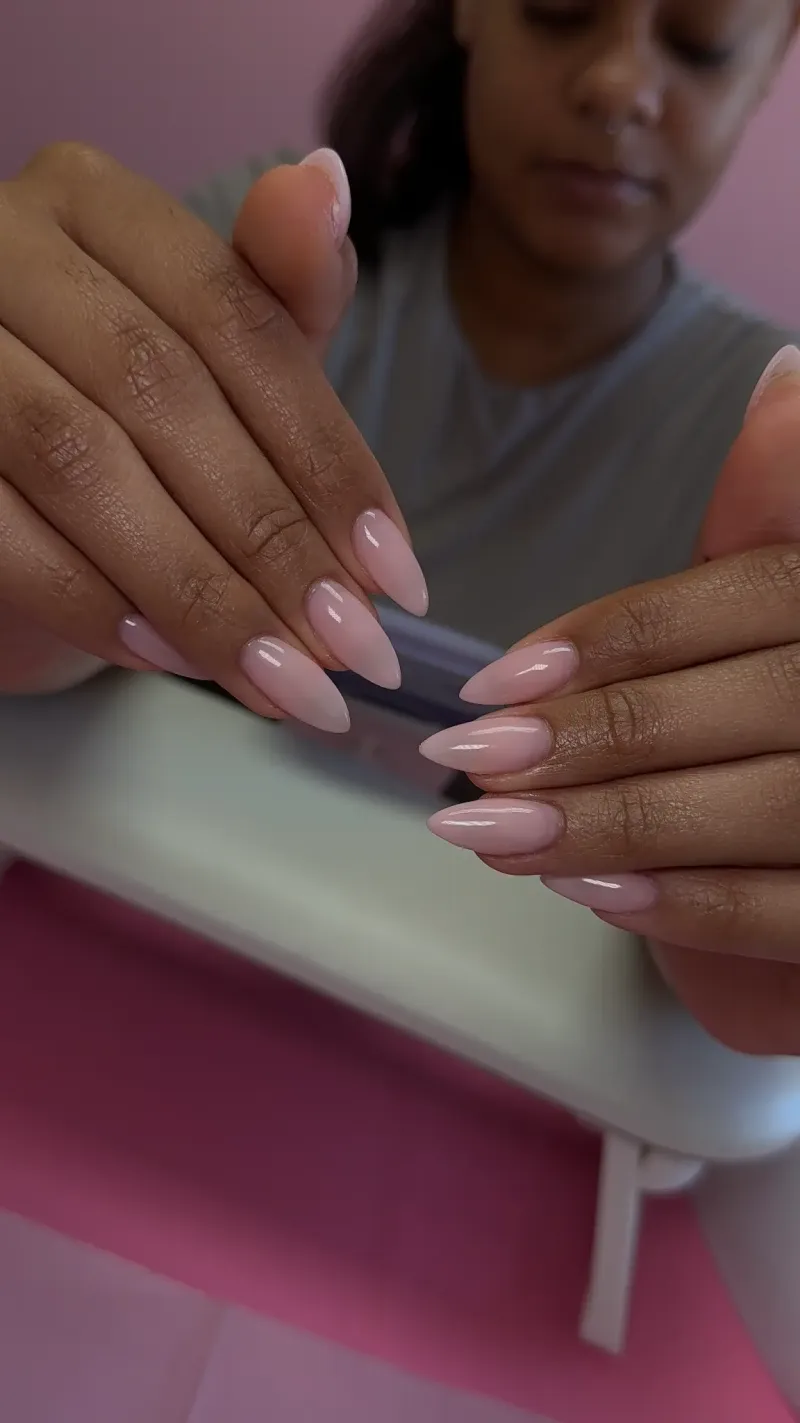
Builder Gel vs. Acrylics: Which Is Better?
Confused about whether to choose Builder Gel or acrylic nails? Compare these popular nail enhancement methods across durability, flexibility, application, and nail health impact.